1
Echoes
Viewing perspective 1 of 1
1 photo planted at this place.
1
Echoes
Vibrant, Energetic
Signal
3%
Evolved
Every photo, echo, share, and visit grows this place. The more it resonates, the more it evolves.
Add a perspective (+ up to 10), echo it (+4), or share it — each lift moves this memory up the planet's leaderboard.
This EvolvePage is server-rendered and indexable. As more nearby photos arrive, Sphere updates the node narrative, metrics, and vector links.
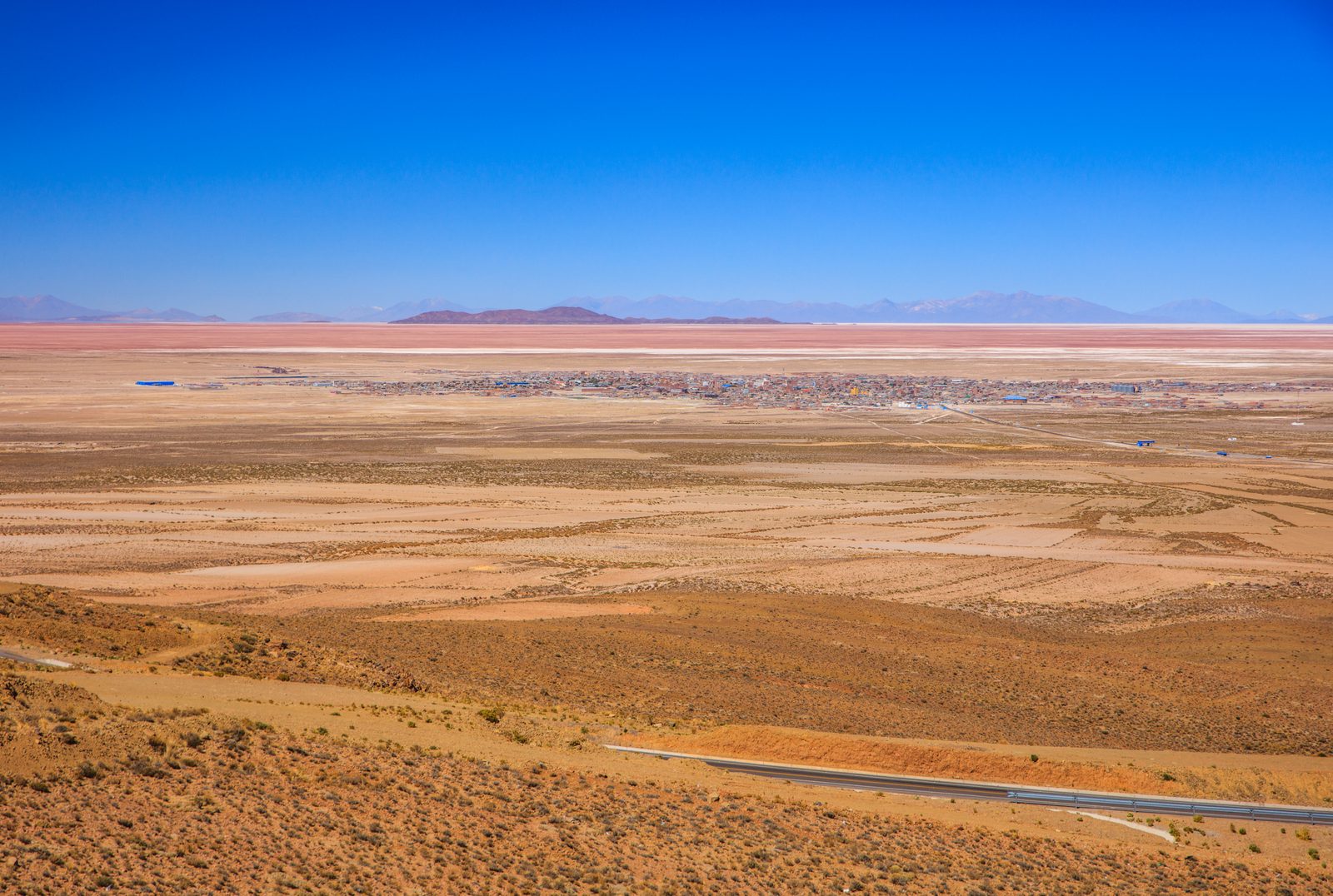
Salar de Uyuni is the world’s largest salt flat, spanning over 10,000 square kilometers in southwest Bolivia. Formed by the evaporation of prehistoric lakes, it is a vast, flat expanse of white salt crust that reflects the sky, creating an otherworldly landscape. The area holds significant geological and environmental importance, serving as a natural reservoir for lithium, a critical resource for modern technology. Its stark beauty and unique ecosystem have made it a symbol of Bolivia’s natural heritage. The salt flat also plays a role in local culture, with indigenous communities historically relying on its resources. Its sheer scale and isolation contribute to its mystique, drawing scientists, photographers, and adventurers who seek to experience its surreal terrain.
Visitors to Salar de Uyuni are greeted by an endless white plain that stretches to the horizon, interrupted only by scattered islands and volcanic rock formations. The landscape shifts dramatically with the seasons, becoming a mirror-like surface after rainfall, which amplifies the sense of infinity. Nearby, the Incahuasi Island features giant cacti and a hilltop that offers panoramic views of the salt flat. The surrounding altiplano region is marked by arid plains, Andean mountains, and occasional geysers, adding to the stark, dramatic scenery. The silence and vastness of the area create a meditative atmosphere, while the interplay of light and shadow at dawn or dusk enhances its visual impact. The salt flat’s remoteness and minimal human presence amplify its sense of solitude and timelessness.
Salar de Uyuni is located in the town of Uyuni, a gateway to the region in Potosí Department. The area is best visited during the dry season, from May to October, when the salt flat is more accessible and the risk of flooding is minimal. Early mornings and late afternoons offer the most striking light for photography, while the rainy season, though less predictable, can create dazzling reflective surfaces. The site appeals to travelers seeking adventure, geological curiosity, or a connection to untouched natural landscapes. While basic facilities exist in Uyuni, visitors should be prepared for remote conditions and plan accordingly. Its remote location and unique features make it ideal for those willing to embrace the challenges of travel in a high-altitude, arid
Salar de Uyuni, Uyuni, Bolivia is in Uyuni, Bolivia (coordinates -20.3015, -66.9409).
Sphere's AI reads the dominant mood of this memory as "Vibrant, Energetic", based on the photo and its collective signals.
This EvolvePage is 3% evolved, grown from 1 perspective, 0 echoes and 0 views.
Sphere links these nodes by meaning, not just distance.