1
Echoes
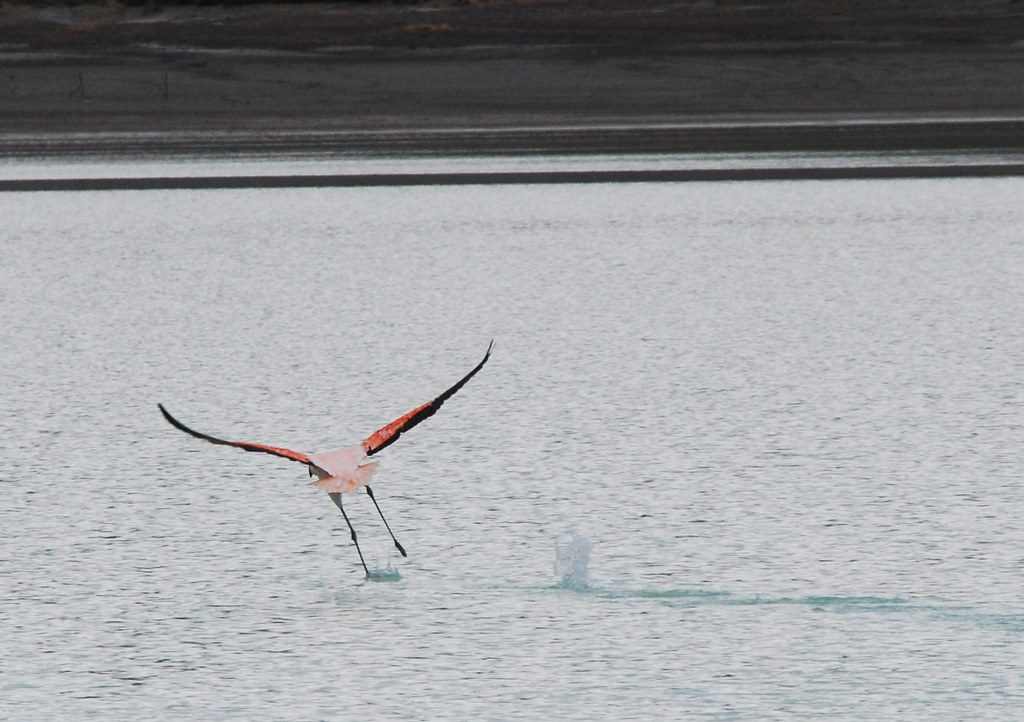
Viewing perspective 1 of 1
1 photo planted at this place.
1
Echoes
Vibrant, Energetic, Comforting
Signal
4%
Evolved
Every photo, echo, share, and visit grows this place. The more it resonates, the more it evolves.
Add a perspective (+ up to 10), echo it (+4), or share it — each lift moves this memory up the planet's leaderboard.
This EvolvePage is server-rendered and indexable. As more nearby photos arrive, Sphere updates the node narrative, metrics, and vector links.
Torres del Paine is one of Chile’s most iconic natural landmarks, located in the southern region of the country near the city of Rancagua, though more precisely situated in the Los Andes mountain range within the Aysén del General Carlos Ibáñez del Campo region. The name translates to "Towers of Paine," referring to the three prominent granite peaks that dominate the landscape. This area holds deep significance for Chileans and international visitors alike, celebrated for its breathtaking scenery, which includes glaciers, turquoise lakes, dense forests, and vast pampas. The park was established as a national reserve in 1959 and later designated a national park in 1970, becoming a UNESCO Biosphere Reserve in 2019. Its rugged beauty and ecological diversity have made it a symbol of Chile’s natural heritage, attracting adventurers, hikers, and nature enthusiasts from around the world.
Visitors to Torres del Paine are immediately struck by the park’s dramatic and varied landscapes. The most famous viewpoint is the base of the three granite towers, which rise majestically against the sky, especially striking at sunrise or sunset when the light casts long shadows across the valleys. The surrounding area includes the serene Lago Pehoé, the expansive Paine Grasslands, and the imposing Grey Glacier, where ice calving into the lake creates a mesmerizing spectacle. The park’s trails offer a mix of challenging hikes, such as the famous W Trek, and more accessible walks, allowing visitors to experience everything from alpine meadows to dense temperate forests. The atmosphere is one of raw, untouched wilderness, where the vastness of the landscape evokes a sense of awe and solitude, even in peak tourist seasons.
Torres del Paine is situated in a remote part of southern Chile, roughly 1,200 kilometers south of Santiago, making it a destination best reached by those willing to travel beyond the country’s major cities. The nearest major urban center is Rancagua, though the park itself lies much farther south, closer to the town of Coyhaique. The best time to visit is during the austral summer months (December to March), when weather conditions are most stable and trails are accessible. However, even in these months, visitors should prepare for rapidly changing conditions, including wind, rain, and cold temperatures. The park is ideal for experienced hikers, photographers, and those seeking adventure, though it also welcomes families and casual visitors who prefer shorter excursions. Given its remote location and the need for self-sufficiency on many trails, it’s essential for travelers to plan carefully, ensuring they have proper gear, maps, and respect for the environment.
Torres del Paine, Rancagua, Chile is in Rancagua, Chile (coordinates -34.1527, -70.7562).
Sphere's AI reads the dominant mood of this memory as "Vibrant, Energetic, Comforting", based on the photo and its collective signals.
This EvolvePage is 4% evolved, grown from 1 perspective, 0 echoes and 2 views.
Sphere links these nodes by meaning, not just distance.